Nearby Share vs Quick Share (2025 Update): What’s the Difference?
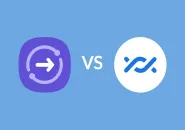
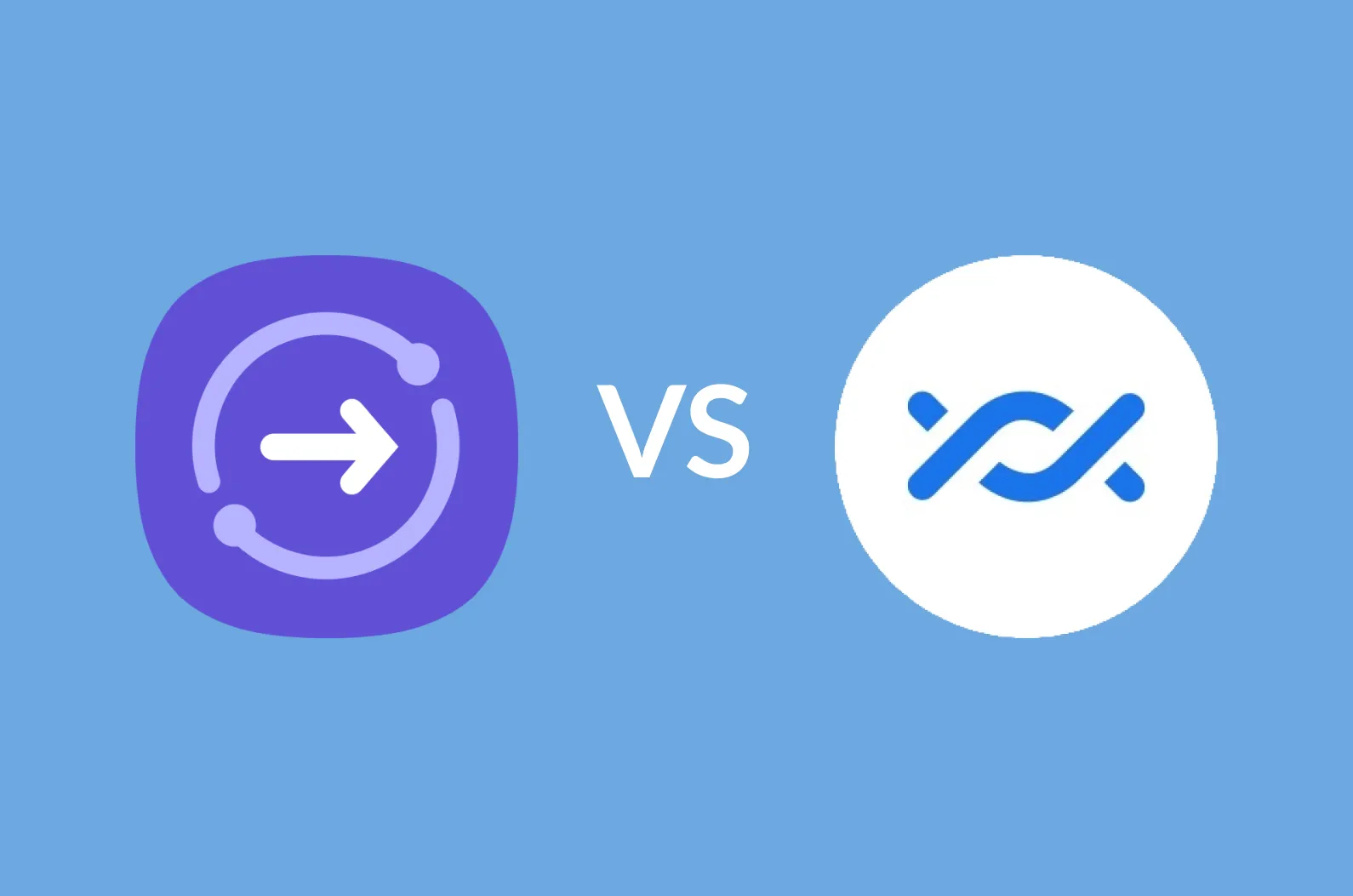
Nearby Share vs Quick Share has become a trending topic since Google and Samsung merged their sharing systems in 2024. In 2025, Android users often ask whether both features are the same, which one is faster, and how the new unified Quick Share works on different devices. In this updated guide, you will learn the complete difference, performance comparison, compatibility details, and which option is better for file sharing in 2025. This article is fully optimized with keywords like Nearby Share 2025, Quick Share update, and Android file-sharing comparison.
Table of Contents
- What Is Nearby Share?
- What Is Quick Share?
- Nearby Share & Quick Share Merger (2024–2025 Update)
- How Do Both Sharing Systems Work?
- Nearby Share vs Quick Share (2025 Comparison Table)
- Speed & Performance in 2025
- Device Compatibility
- Ease of Use
- Security & Privacy
- Nearby Share vs Quick Share: Which One Is Better in 2025?
What Is Nearby Share?
Nearby Share is Google’s wireless file-sharing technology introduced in 2020 as an Android alternative to Apple’s AirDrop. It allows users to send photos, videos, apps, documents, and links using Bluetooth, Wi-Fi Direct, and UWB (on supported devices). Nearby Share became the default sharing system for most Android phones and Chromebooks.
Key features included private visibility, fast transfers, offline sharing, and cross-platform support via Windows (beta app). It remained Google’s core sharing feature until the merger in early 2024.
What Is Quick Share?
Quick Share is Samsung’s file-sharing system introduced with Galaxy devices in 2020. It was designed to send large files quickly between Samsung devices using Wi-Fi Direct and Bluetooth. In 2023–2024, Samsung expanded Quick Share to work on more devices, including Windows PCs.
The system was known for extremely fast transfer speeds, especially between flagship Samsung phones like the Galaxy S and Z series.
Nearby Share & Quick Share Merger (2024–2025 Update)
In January 2024, Google and Samsung jointly announced that Nearby Share and Quick Share would merge into a single unified system called “Quick Share.”
By mid-2024, this unified Quick Share rolled out globally across all Android 12+ phones. In 2025, all new Android phones come with the new Google-powered Quick Share built in.
But here’s the important part:
- The name is now “Quick Share.”
- The technology comes mostly from Google (Nearby Share’s engine).
- Samsung’s Quick Share branding continues on Galaxy devices.
So, while the names have merged, some differences still remain depending on the device type.
How Do Both Sharing Systems Work?
Both Nearby Share and Quick Share work using the same wireless technologies:
- Bluetooth — To discover nearby devices.
- Wi-Fi Direct — For large, high-speed transfers.
- UWB (Ultra-Wideband) — On supported devices for precision direction-based sharing.
- NFC — On some phones for tap-to-share support.
In 2025, the actual transfer engine for both is now the unified Google Quick Share engine, but Samsung phones still have extra enhancements.
Nearby Share vs Quick Share (2025 Comparison Table)
| Feature | Nearby Share (Before Merge) | Quick Share (2025 After Merge) |
|---|---|---|
| Developer | Google + Samsung Collaboration | |
| Default Name | Nearby Share | Quick Share |
| Speed | Fast | Faster, especially on Samsung |
| Compatibility | Android, ChromeOS, Windows | Android, Galaxy, ChromeOS, Windows |
| Advanced Features | Basic sharing, device visibility | Multi-share, Samsung ecosystem boosts |
| Cross-Platform | Yes | Yes (Improved) |
| UI Changes | Simplified Quick Share panel | |
| Best For | General Android users | All users, especially Samsung |
Speed & Performance in 2025
In real-world tests, Quick Share is now consistently faster than old Nearby Share, especially between Samsung devices.
Average Transfer Speeds (2025):
- Samsung to Samsung: 400–700 Mbps
- Android to Android: 250–500 Mbps
- Android to Windows: 100–250 Mbps
These speeds depend on Wi-Fi Direct bandwidth, hardware support, and proximity between devices.
Device Compatibility
In 2025, Quick Share works on:
- All Android 12+ smartphones
- Samsung Galaxy phones (optimized)
- Windows PCs (via Quick Share app)
- Chromebooks
Nearby Share as a separate name no longer exists, but its underlying engine powers the new Quick Share.
Ease of Use
Quick Share now shows a redesigned sharing pop-up with a cleaner UI. On Samsung phones, users also get:
- Share to multiple devices at once
- Quicker device detection
- Higher range stability
Other Android phones receive a simpler, unified Google version.
Security & Privacy
Quick Share in 2025 includes better privacy controls:
- Hidden – Your device doesn’t appear to anyone
- Contacts Only – Only saved contacts can see you
- Everyone (Temporary) – Auto turns off after minutes
Encryption protects transfers end-to-end, similar to AirDrop.
Nearby Share vs Quick Share: Which One Is Better in 2025?
Since the systems merged, Quick Share is now the default and better choice in 2025. It offers faster speeds, wider compatibility, better privacy controls, multi-device sharing, and extra optimizations for Samsung phones.
Final Answer: Quick Share is the better, faster, and more reliable file-sharing system in 2025.