
What Is Satellite Connectivity in Smartphones? (2025 Full Explanation)
Satellite connectivity in smartphones is one of the most exciting innovations in mobile technology. Imagine being able to send messages, call emergency services, or even access limited internet, all without relying on traditional cellular networks. In 2025, more smartphones, including flagship iPhones and some Android models, are adopting this feature.
What Is Satellite Connectivity?
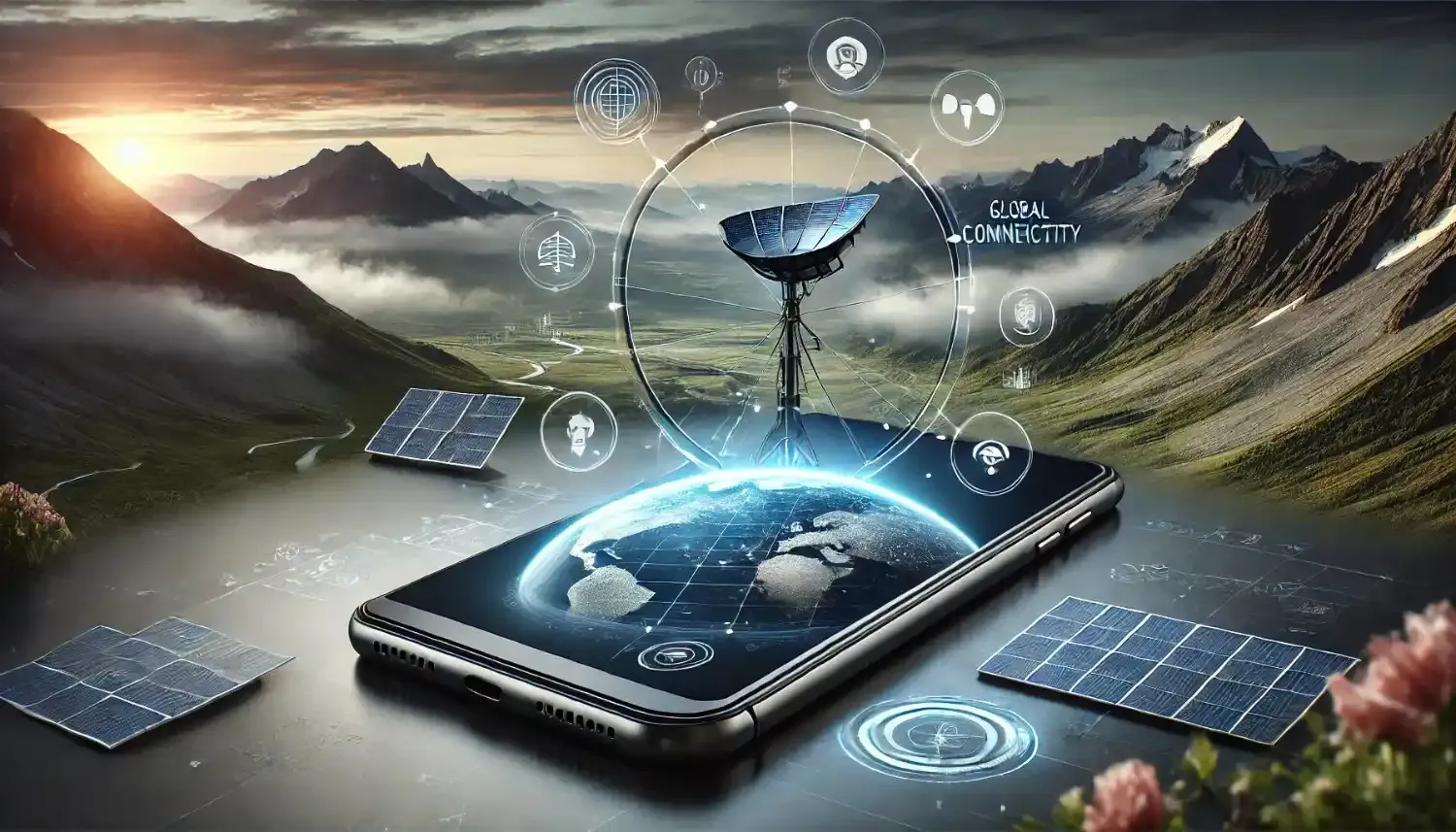
Satellite connectivity allows smartphones to communicate directly with satellites orbiting the Earth instead of relying solely on cell towers. This is particularly useful in remote areas, mountains, deserts, oceans, or during natural disasters where traditional networks fail.
It is not the same as a “satellite phone” you may have seen before. Modern smartphones integrate satellite communication for emergency messages, SOS signals, or location sharing.
How Does Satellite Connectivity Work?
Satellite connectivity relies on low Earth orbit (LEO) or medium Earth orbit (MEO) satellites. When you send a message or SOS, your phone transmits a signal to a satellite, which then forwards it to a ground station. The ground station connects it to the internet or emergency services.
Key technologies enabling this include:
- LEO satellites orbiting 500–2,000 km above Earth
- Optimized antennas inside smartphones
- Special compression for low-bandwidth messaging
- Emergency service integration
Which Smartphones Support Satellite Connectivity in 2025?
Currently, a few high-end smartphones include satellite features:
- Apple iPhone 14/15 Series: SOS via Globalstar satellites
- Huawei Mate 50 Series: BeiDou satellite messaging
- Some Samsung Flagships: Limited satellite support in 2025
- Future Android phones: More models adopting LEO satellite support
Most features are limited to emergency messages, not full internet browsing yet.
Benefits of Satellite Connectivity in Smartphones
- Access in remote areas without cell coverage
- Emergency SOS for hikers, mountaineers, sailors, or travelers
- Reliable communication during natural disasters or network outages
- Global coverage in extreme conditions
Limitations & Considerations
- Low bandwidth – only text messages or small location data
- Requires clear sky view; obstructions like buildings or mountains reduce connectivity
- Battery consumption may increase
- Not all apps or phones support it yet
Satellite connectivity is currently more of a safety feature than a replacement for cellular internet.
How to Use Satellite Connectivity in iPhones (Example)
- Go to Settings > Emergency SOS
- Follow on-screen setup to activate satellite messaging
- In emergency areas without cell coverage, open the Messages app and choose Send via Satellite
- Follow prompts to connect with a satellite (may take a few seconds)
- Your message is sent to emergency services or designated contacts
Android implementations are expected to be similar but may vary based on manufacturer and satellite network partnerships.
Future of Satellite Connectivity in 2025 & Beyond
By 2025, satellite connectivity is expected to become more common and offer:
- Faster messaging and potential low-bandwidth internet
- Integration with mapping, rideshare, and safety apps
- Better global coverage with more LEO satellites launched
- Emergency and safety apps pre-installed on smartphones
Major tech companies are investing heavily in satellite networks and partnerships to expand coverage, reduce latency, and increase adoption.
Final Thoughts
Satellite connectivity in smartphones represents the next step in global communication. While not a replacement for regular 4G/5G internet yet, it provides a vital safety net for emergencies, remote work, and outdoor adventures. By 2025, expect this feature to become a standard in premium smartphones, making reliable connectivity nearly universal.
Conclusion: Satellite connectivity ensures that even in the most remote or disaster-struck areas, you can stay connected, send SOS, or communicate with the world — a true game-changer in mobile technology for 2025.